
5 Common Blind Fitting Mistakes (And How to Avoid Them)
No Comments
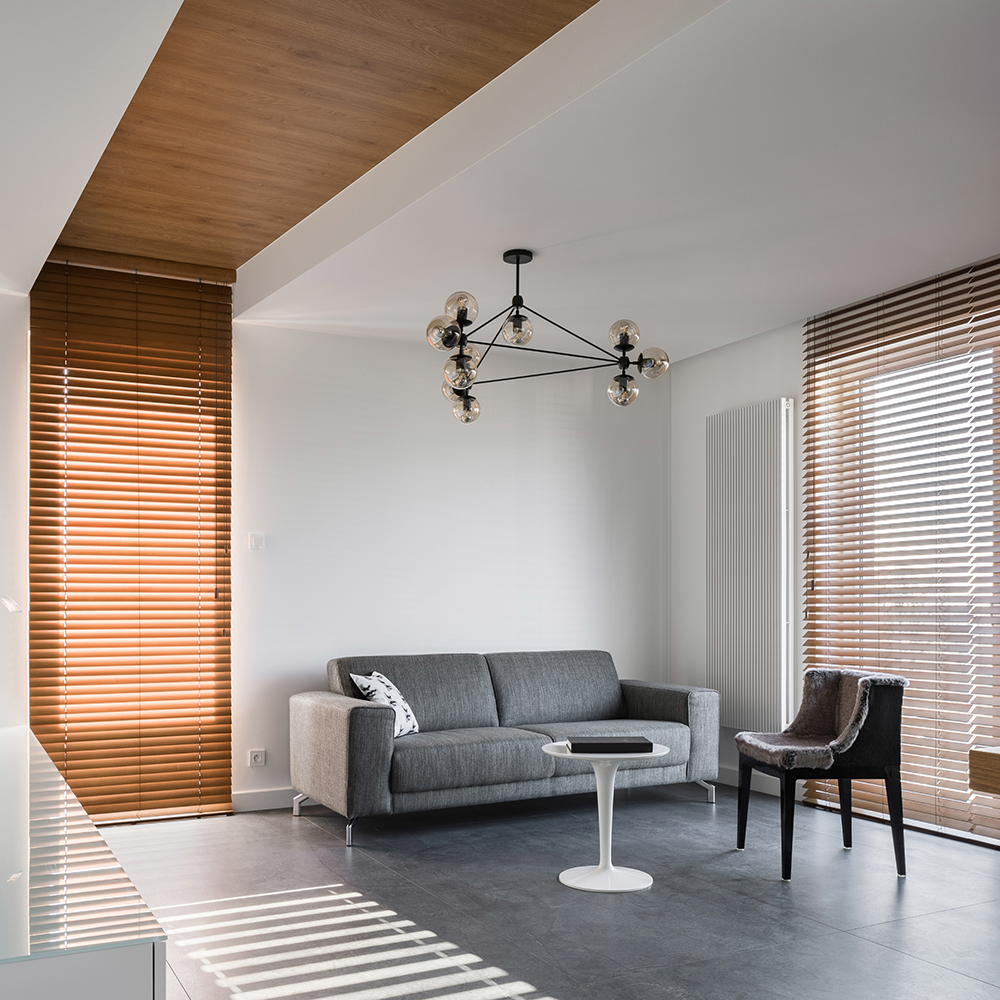
Blinds can transform a room. They add style, regulate light, and provide privacy, all while giving your home a neat, finished look. But getting the best from them isn’t just about choosing the right style or fabric. The fitting process matters just as much. Even the most expensive blinds can look out of place if they’re poorly installed. And unfortunately, many people make the same mistakes time and time again when fitting blinds themselves.
The good news? Every one of these mistakes can be avoided with a bit of planning, care, and know-how. In this guide, we’ll look at the five most common blind fitting mistakes and share practical tips to help you steer clear of them.
1. Incorrect Measurements
This is by far the most common mistake, and it’s easy to understand why. Measuring for blinds can feel straightforward at first, but one small slip of the tape measure can ruin the final result. Order blinds too wide and they won’t fit. Too narrow, and you’ll end up with unsightly gaps that let light through and compromise privacy.
One issue is that windows aren’t always perfectly square, especially in older British homes. That means if you measure in just one place, you could be in for a nasty surprise when your blinds arrive.
How to avoid it:
- Measure at least three times – across the top, middle, and bottom of the window recess if you’re fitting inside.
- Use the smallest measurement for width and the largest for drop.
- Always double-check before placing your order.
If in doubt, look for a blind supplier that offers a measuring guide, or better yet, professional measuring services. It’s a small step that can save you a lot of hassle.
2. Fitting Brackets in the Wrong Place
Brackets are the backbone of your blind installation. Place them incorrectly and you risk blinds that tilt, fall forward, or won’t move smoothly. A common mistake is fixing brackets too close to the edge of the recess or not allowing enough clearance for window handles and latches.
Sometimes, people also fit brackets on weak surfaces such as old plaster without using the right fixings, leading to blinds pulling loose over time.
How to avoid it:
- Read the instructions carefully – each blind type has its own bracket requirements.
- Check for obstructions such as handles before drilling.
- Use a spirit level to make sure both brackets are aligned properly.
- If drilling into plasterboard, consider using wall plugs or hollow wall anchors for extra strength.
Taking an extra five minutes to mark up correctly can make the difference between a wobbly blind and one that glides effortlessly.
3. Choosing the Wrong Fitting Type
Blinds can generally be fitted inside the recess (recess fit) or outside it (face fit). Many homeowners automatically go for a recess fit without considering whether it’s the right choice for their window. This can lead to blinds catching on handles, light bleeding in around the edges, or even blinds that don’t sit flush.
Similarly, outside fits can look bulky if the headrail isn’t positioned correctly.
How to avoid it:
Think about what you want from your blinds before deciding. Do you need maximum blackout for a bedroom? Then a face fit may work better. Do you want a sleek, seamless look? A recess fit could be the way to go.
Take into account window handles, radiators beneath the sill, or tiles in kitchens and bathrooms – all of which can affect the best fitting method. If you’re unsure, ask your supplier for advice. Many companies are happy to guide you through your options.
4. Ignoring Safety Precautions
Blind cords and chains have long been a safety concern, particularly in homes with young children or pets. Sadly, accidents can and do happen. Yet, too often people fit blinds without securing cords safely out of reach.
Another oversight is failing to use the safety devices that often come packaged with the blinds. Some people simply toss them aside without realising how important they are.
How to avoid it:
- Always install the safety clips or tensioners provided with your blinds.
- Keep cords and chains well out of reach of children and pets.
- Consider cordless or motorised options for peace of mind.
In the UK, safety regulations now require blinds to come with child safety devices. Don’t treat them as optional extras – they’re there for good reason.
5. Rushing the Job
It’s tempting to rush through fitting once the blinds arrive. After all, you want to see the finished result as quickly as possible. But rushing often leads to avoidable mistakes – uneven blinds, damaged walls, or even blinds fitted back to front.
Another issue is using the wrong tools. Trying to drill into masonry with a blunt bit, or using a screwdriver that doesn’t fit properly, can leave you frustrated and the blinds insecure.
How to avoid it:
- Take your time and follow the instructions step by step.
- Gather the right tools before you start – drill, screws, wall plugs, tape measure, pencil, and spirit level.
- If you’re unsure, don’t be afraid to get professional help.
The time you spend fitting blinds properly is an investment. You’ll thank yourself every time you raise and lower them smoothly.
Why Getting It Right Matters
Blinds aren’t just practical – they’re part of your home’s style and comfort. Poorly fitted blinds not only look unsightly but can reduce their effectiveness at blocking light, protecting privacy, and insulating your room. In some cases, incorrect fitting can even damage the blinds themselves, leaving you out of pocket.
When you take the time to measure properly, fit securely, and think about safety, you’re not just avoiding mistakes. You’re ensuring your blinds enhance your home for years to come.
Final Thoughts
Fitting blinds may seem straightforward, but the details matter. The five mistakes we’ve covered – incorrect measurements, poor bracket placement, choosing the wrong fitting type, ignoring safety, and rushing the job – are all easy to avoid with a little care.
Remember: measure carefully, plan your fitting, use the right tools, and take your time. And if you’re ever in doubt, many suppliers and installers in the UK offer professional fitting services that can save you time and stress.
Get it right, and your blinds won’t just cover your windows – they’ll complete your space.