
The Ultimate Guide to Choosing the Right Blinds for Every Room
No Comments
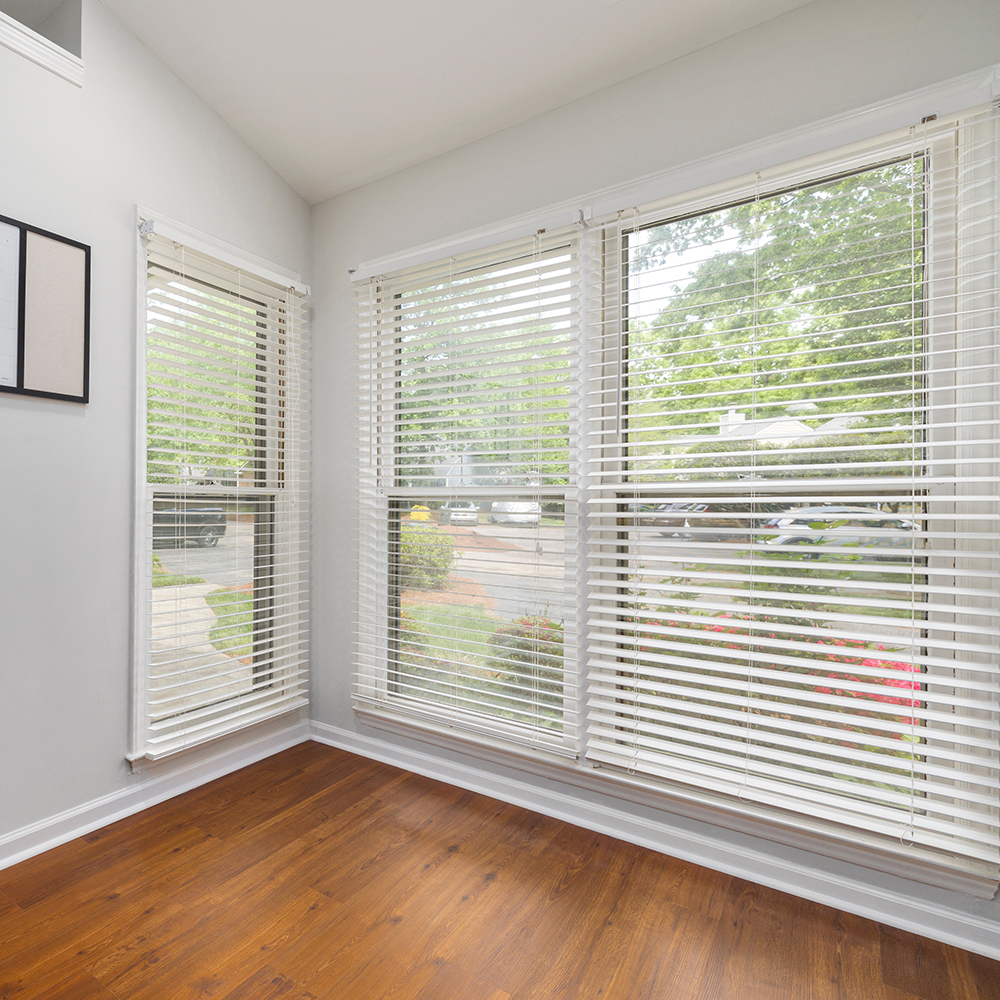
When it comes to finishing off the look of a home, few details make as much difference as window dressings. Blinds are one of the most versatile, stylish and practical choices for British households, but with so many options on the market, choosing the right ones can feel overwhelming. Do you go for something modern and minimalist, or classic and cosy? Should you prioritise privacy, light control, or insulation? The truth is, the answer depends on the room you’re dressing and the lifestyle you lead. This guide breaks down everything you need to know about selecting the right blinds for every space in your home, from the kitchen to the conservatory.
Why Blinds Are a Smart Choice
Blinds have long been a popular option across the UK thanks to their practicality and design flexibility. Unlike curtains, which are often bulky and harder to maintain, blinds can fit neatly inside window recesses and are easy to clean. They also give you greater control over how much light and privacy you want at any time of day. Beyond function, blinds are available in a huge variety of fabrics, textures and finishes, meaning you can always find a style to complement your décor.
For homeowners looking to balance practicality and style, blinds are often the answer. The key lies in understanding what works best in each room of the house.
Living Room Blinds: Comfort Meets Style
The living room is usually the heart of the home – a place for relaxing, entertaining, and spending time with family. Because this space often faces the front of the house, privacy is usually a top concern, especially if your windows look out onto a street.
Roman blinds are a fantastic option here. They add a touch of softness and luxury, with fabric folds that bring warmth to the room. If you prefer something more contemporary, vertical blinds or wooden Venetian blinds can work beautifully, allowing you to adjust the slats to let in just the right amount of light while keeping nosy neighbours at bay.
A useful tip is to consider layering blinds with curtains. This not only makes the room feel cosier but also gives you additional insulation during those cold British winters.
Bedroom Blinds: Prioritising Sleep and Serenity
When it comes to the bedroom, your main priority is usually creating a restful environment. Light control is crucial, especially during the summer months when the sun rises early and sets late.
Blackout blinds are the go-to choice for bedrooms. Roller blackout blinds, in particular, are popular for their clean look and practicality. If you want something with more texture, Roman blinds can also be made with blackout lining, offering the same benefit with added style.
For children’s bedrooms, blackout blinds are almost essential, helping to establish a good sleep routine by keeping the room dark. Look for fun patterns or colours that suit their personality, but always check for safety features such as cordless designs or child-safe mechanisms.
Kitchen Blinds: Practicality First
The kitchen is one of the trickiest rooms to choose blinds for. With steam, splashes, and the need for good ventilation, not all materials will stand the test of time. Fabric blinds can absorb odours and moisture, so they are generally best avoided in this space.
Instead, opt for materials that are easy to wipe clean, such as PVC or aluminium. Venetian blinds and roller blinds in moisture-resistant finishes are both excellent choices. They allow you to control light while being practical enough to handle daily cooking. For kitchens with a lot of natural sunlight, choosing a light-coloured blind can help prevent the room from overheating.
Bathroom Blinds: Moisture-Resistant Solutions
Like the kitchen, the bathroom requires blinds that can cope with high levels of humidity. Wooden blinds, while stylish, aren’t ideal here as they can warp over time. Instead, faux wood or PVC blinds are much better suited.
Roller blinds in waterproof fabrics also work well, particularly if you want a minimalist look. If privacy is your biggest concern, frosted-effect roller blinds or top-down, bottom-up blinds give you coverage without blocking out all the natural light. It’s about creating a balance between functionality and comfort in what is often a smaller room.
Conservatory Blinds: Keeping Comfortable Year-Round
A conservatory can be a wonderful space to relax in, but it’s also one of the hardest to regulate in terms of temperature. In summer it can feel like a greenhouse, while in winter it can be freezing cold. The right blinds can help you manage this.
Pleated blinds are a top choice for conservatories because they offer excellent insulation. They can be fitted to both windows and roof panels, helping you maintain a more comfortable environment throughout the year. Vertical blinds are another option, giving you flexibility to control glare while still allowing a view of the garden.
For a sleek, modern look, motorised blinds are becoming increasingly popular, allowing you to adjust hard-to-reach roof blinds at the touch of a button.
Office Blinds: Focus and Productivity
With more people working from home than ever before, the home office has become an important space. The key consideration here is avoiding glare on screens while still allowing enough natural light to create a pleasant working environment.
Vertical or Venetian blinds are ideal, as you can easily adjust the slats to manage light throughout the day. Roller blinds in light-filtering fabrics also work well, diffusing sunlight without leaving you in the dark. For a professional finish, stick to neutral tones that create a calm, focused atmosphere.
Dining Room Blinds: Creating an Inviting Atmosphere
In the dining room, it’s all about creating the right mood for meals with family and guests. Roman blinds are particularly popular in this space, adding elegance and softness to the room. If your dining area looks out onto the garden, consider wide-slat wooden Venetian blinds. They offer a clear view when open but can also provide privacy when closed.
For a cosy evening feel, dim-out blinds are a good option. These reduce glare from outside lights without blocking the atmosphere you’ve worked to create inside.
Matching Blinds to Your Style
Once you’ve worked out the practical considerations for each room, it’s worth thinking about how your blinds fit into your overall interior design. Do you want your blinds to blend seamlessly with your walls, or stand out as a feature? Neutral tones such as whites, creams, and greys are timeless and versatile, while bold colours or patterns can create a statement.
Texture also plays a role. Smooth roller blinds suit minimalist, modern spaces, while fabric Roman blinds bring warmth and comfort to more traditional interiors. Wooden and faux wood blinds bridge the gap, adding natural charm that works across a range of décor styles.
Final Thoughts
Choosing the right blinds for your home doesn’t have to be complicated. Start by thinking about the function of each room – whether it’s sleep, privacy, style, or practicality – and then narrow down your options. Remember that what works in one space won’t necessarily suit another, and it’s often worth investing in different types of blinds throughout your home.
Blinds aren’t just about blocking light. They’re about shaping the mood of a room, adding to your comfort, and enhancing the way you live in your space. Whether you’re after sleek roller blinds for a modern kitchen, blackout blinds for a peaceful bedroom, or elegant Roman blinds for your living room, the right choice can completely transform your home.